

“In New Jersey, sober living communities play a pivotal role in supporting individuals on their path to long-term recovery. This article explores the intricate landscape of sober living regulations within the state, offering a comprehensive guide for both residents and those seeking understanding. We delve into the regulatory framework, licensing intricacies, and resident rights, shedding light on the essential support systems available. By understanding these regulations, individuals can navigate their journey with confidence, knowing their well-being is protected within licensed sober living facilities.”
- Understanding Sober Living Communities in New Jersey
- Regulatory Framework and Licensing Requirements
- Rights and Support for Residents of Sober Living Facilities
Understanding Sober Living Communities in New Jersey

Sober living communities in New Jersey are specialized residential facilities designed to support individuals in maintaining sobriety after substance abuse or addiction. These communities offer a structured environment where residents participate in therapeutic activities, group counseling sessions, and peer support groups. The primary goal is to help residents develop coping mechanisms, build a sober lifestyle, and regain control of their lives.
New Jersey’s sober living regulations are set to ensure the safety, well-being, and progress of those seeking recovery. These regulations cover various aspects, including licensing standards, program requirements, and resident rights. By adhering to these guidelines, sober living communities foster an environment conducive to healing and personal growth.
Regulatory Framework and Licensing Requirements
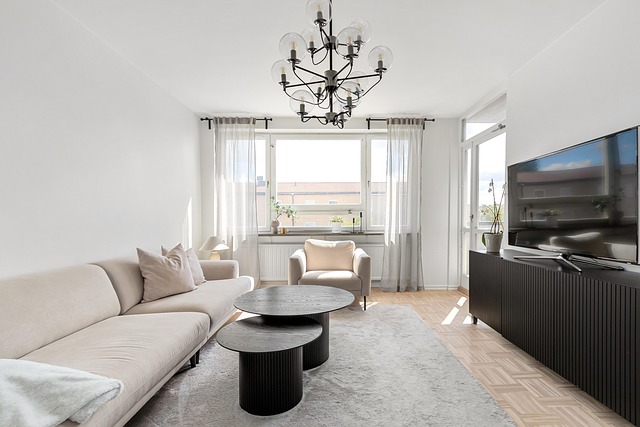
In New Jersey, the regulatory framework for sober living communities is designed to ensure safety, quality care, and ethical practices. The state’s Department of Health plays a pivotal role in licensing and overseeing these facilities, adhering to strict standards set forth by law. To operate as a sober living community, organizations must obtain a license from the department, demonstrating compliance with regulations covering staff qualifications, facility maintenance, and programming offerings.
The licensing process involves comprehensive documentation, including business plans, financial projections, and detailed descriptions of proposed services. Once licensed, establishments are subject to regular inspections and ongoing monitoring, ensuring they maintain high standards of care for their residents. This regulatory framework is essential in fostering a safe environment for individuals striving for and maintaining sobriety.
Rights and Support for Residents of Sober Living Facilities

Residents of sober living facilities in New Jersey have rights and access to support services that are designed to help them maintain a sober lifestyle. These include counseling, therapy sessions, and group support meetings, which are often conducted by certified professionals. The facilities are required to provide a safe, clean, and comfortable environment for residents, ensuring their privacy and dignity.
In addition, residents can expect fair treatment and equal opportunities within the facility. They have the right to participate in decision-making processes that affect their living arrangements and daily routines. Many sober living homes also offer job placement assistance, educational programs, and aftercare services to help individuals reintegrate into society and maintain long-term sobriety.