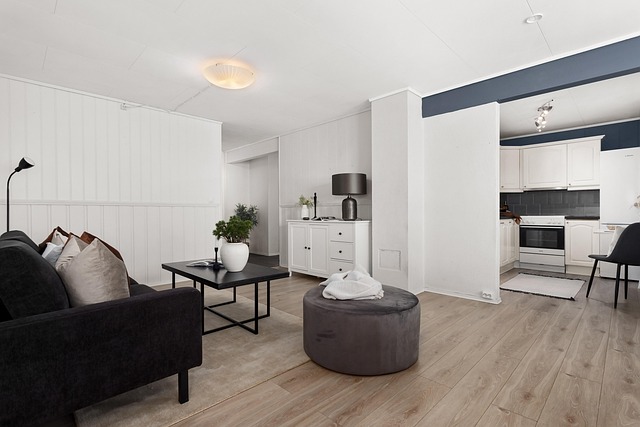
In the pursuit of a sober lifestyle, individuals often encounter two distinct options: Sober Living and Recovery Residences. This article delves into these environments, focusing on New Jersey's context. We'll explore the sober living rules and expectations that shape daily life, contrast them with structured recovery programs, and guide readers through the benefits and considerations when choosing between these supportive habitats for healing and recovery.
- Understanding Sober Living: An Overview of Rules and Expectations in New Jersey
- Recovery Residences: A Closer Look at Structured Programs and Supportive Environments
- Comparing Options: Benefits and Considerations for Choosing Between Sober Living and Recovery Residences
Understanding Sober Living: An Overview of Rules and Expectations in New Jersey

In New Jersey, Sober Living communities are designed to provide a supportive environment for individuals in recovery from substance use disorders. The rules and expectations in these residences are structured to promote long-term sobriety and encourage participants to maintain a healthy lifestyle. Residents are typically expected to adhere to specific guidelines, including regular attendance at support groups, drug testing, and participation in therapy sessions. These measures aim to foster a sense of accountability and responsibility, two key factors in successful recovery.
The Sober Living Rules in New Jersey may also include daily or weekly meetings where residents discuss their progress, challenges, and personal goals. Many communities emphasize the importance of building a strong support network among peers, as camaraderie can be a powerful tool in maintaining sobriety. Additionally, residents are usually required to maintain regular employment or educational pursuits, demonstrating personal growth and independence while living sober.
Recovery Residences: A Closer Look at Structured Programs and Supportive Environments

Recovery residences offer structured programs and supportive environments designed to facilitate lasting recovery from substance abuse. These facilities typically provide a range of services tailored to individual needs, including counseling, group therapy sessions, and educational workshops aimed at fostering self-awareness and skill development. In New Jersey, Sober Living Rules are strictly enforced to maintain a safe and conducive atmosphere for healing.
The structured nature of recovery residences promotes accountability and consistency in treatment. Residents are often required to adhere to strict rules and routines, which help establish a sense of normalcy and encourage peer-to-peer support. These environments foster community among residents, allowing them to build meaningful connections with others facing similar challenges. By combining professional guidance with a supportive network, recovery residences offer a comprehensive approach to helping individuals achieve long-term sobriety.
Comparing Options: Benefits and Considerations for Choosing Between Sober Living and Recovery Residences
When considering the path to recovery, individuals often weigh their options between Sober Living and Recovery Residences. Both offer structured environments aimed at supporting those in recovery from substance use disorders, but they differ significantly in approach and regulations. In New Jersey, for instance, Sober Living Rules govern these facilities, ensuring a safe and supportive space.
Benefits of Sober Living include community-oriented living where residents share responsibilities, fostering a sense of normalcy and accountability. It provides an opportunity to rebuild daily routines and connect with like-minded individuals. However, considerations are crucial; privacy might be limited, and the external environment could introduce potential triggers. On the other hand, Recovery Residences offer more individualized attention, with programs tailored to personal needs, access to therapists, and structured activities designed for long-term recovery. While this intensiveness can be beneficial, it may also come at a higher cost and require a longer-term commitment. The choice ultimately depends on an individual's preferences, support system, and the level of structure needed in their recovery journey.