
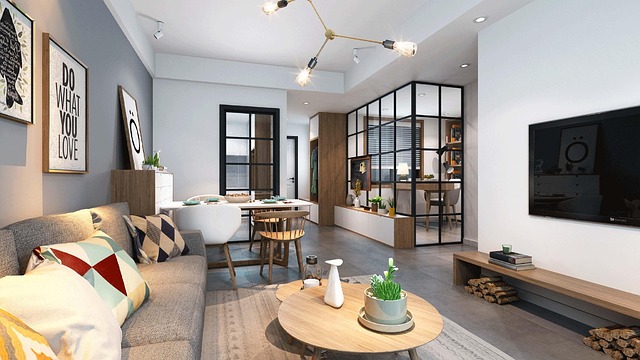
In the quest for recovery, choosing between sober living homes and recovery residences is a crucial step. This article explores these options within the context of New Jersey, focusing on understanding sober living homes, their role in treatment, and how they compare to recovery residences in terms of amenities and support services. Whether you’re seeking a structured environment or a more independent setting, this guide will illuminate the path to making an informed decision for your journey towards sobriety.
- Understanding Sober Living Homes in New Jersey
- The Role of Recovery Residences in the Treatment Process
- Comparing Amenities and Support Services Offered
Understanding Sober Living Homes in New Jersey

In New Jersey, Sober Living Homes represent a crucial component of the state’s addiction recovery ecosystem. These residences provide a supportive environment for individuals striving to overcome substance use disorders. Unlike treatment facilities that offer intensive medical and therapeutic services, sober living homes focus on fostering a drug- and alcohol-free lifestyle while promoting independence and personal growth. Residents in these homes typically follow a set of rules designed to maintain a sober atmosphere, engaging in daily activities that support their recovery journey.
New Jersey’s Sober Living Homes vary in size and amenities, catering to diverse needs within the recovering community. Some offer structured programs with scheduled meetings and counseling sessions, while others provide more flexible support, allowing residents greater autonomy. This range of options ensures that individuals can find an environment that aligns with their specific recovery requirements and personal preferences. With a focus on creating a sense of community among residents, these homes play a vital role in facilitating the transition from addiction to a sober, fulfilling life.
The Role of Recovery Residences in the Treatment Process

Recovery residences play a pivotal role in the treatment and recovery journey for many individuals striving for sobriety. These specialized facilities, often found in areas like New Jersey, offer a supportive environment that goes beyond mere accommodation. They provide a structured setting where residents can focus on their healing, free from external distractions common in traditional sober living homes.
These residences are designed to facilitate comprehensive addiction treatment, combining therapy sessions, support groups, and educational workshops. The continuous care approach ensures individuals receive the necessary tools and skills to manage cravings, avoid triggers, and maintain long-term sobriety. With a focus on personal growth and community building, recovery residences foster an atmosphere that encourages residents to embrace their recovery and build lasting friendships with like-minded peers.
Comparing Amenities and Support Services Offered

When comparing Sober Living Homes New Jersey to Recovery Residences, a key factor lies in the amenities and support services offered. Sober living facilities often provide a more residential environment with basic comforts, focusing on creating a stable living space for individuals in early recovery. These homes typically include shared common areas, meals provided, and structured daily routines to establish a sense of normalcy and accountability.
In contrast, Recovery Residences offer a range of specialized support services tailored to long-term recovery goals. These residences often feature individual and group therapy sessions, 12-step program meetings, and access to experienced clinicians for ongoing mental health care. With a more intensive approach, recovery residences cater to those requiring extended care and comprehensive support throughout their journey towards sustained sobriety.